Shraddh and Remembrance: Honoring Ancestors in the Digital Age
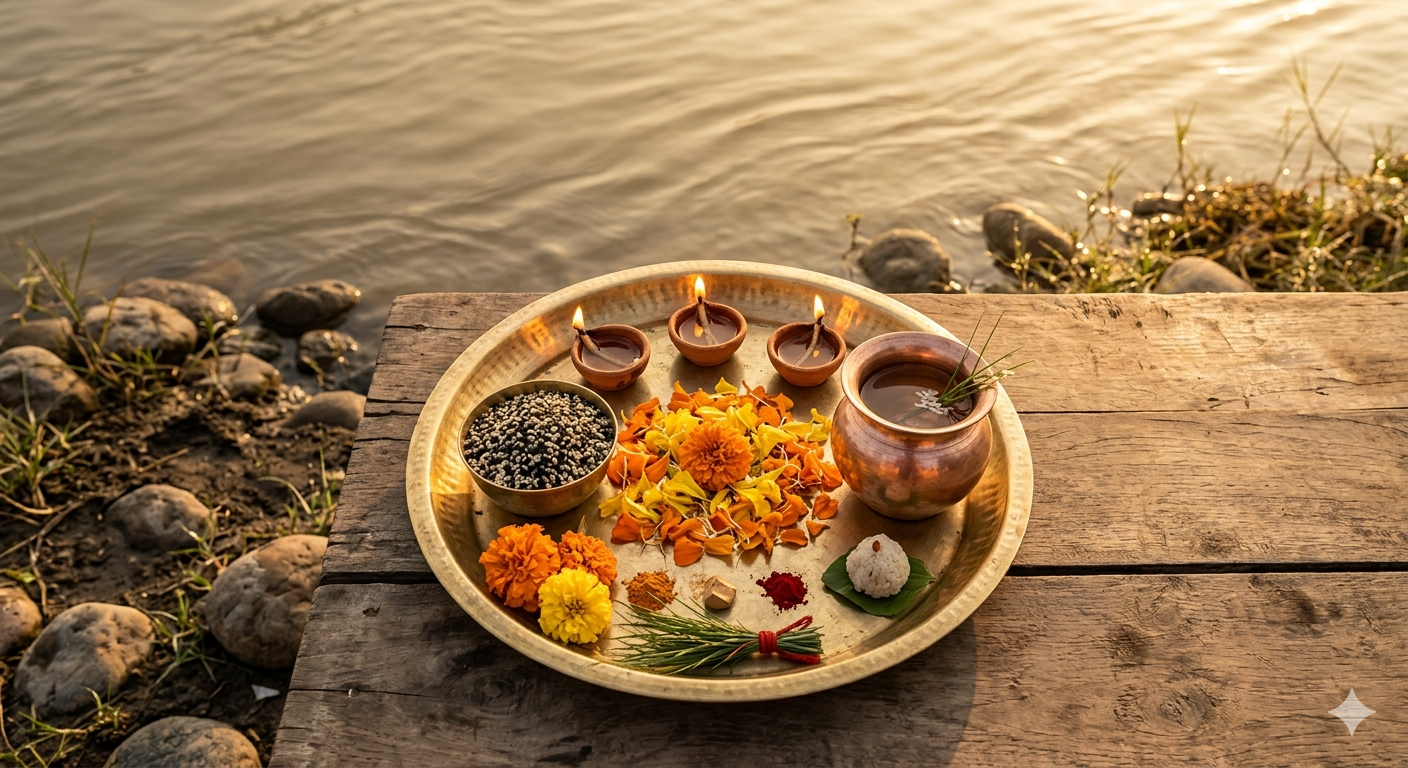
Every year during Pitru Paksha, Hindu families across India perform shraddh — a ritual of offerings and prayers dedicated to ancestors. It's one of the oldest continuous traditions in Hindu culture, rooted in the belief that honoring those who came before us sustains a spiritual connection across generations. But as families spread further apart geographically, a question naturally arises: how do you keep that connection alive when not everyone can be physically present?
The challenge modern families face
Shraddh is traditionally performed by family members gathered together, often at a specific place — a family home, a temple, the banks of a river. For families with members scattered across cities or countries, coordinating this can be difficult. And even when the ritual is performed, the stories and memories of the ancestor being honored aren't always passed down clearly to younger generations.
How digital memorials support this tradition
A digital memorial doesn't replace shraddh — it preserves what the ritual is fundamentally about: remembering and honoring those who came before us.
- A permanent record of who they were — not just a name in a ritual, but a documented life story, photos, and memories that grandchildren and great-grandchildren can access
- Shared participation — family members who can't attend the ritual in person can still light a virtual diya, leave a message, or revisit the memorial on the day of shraddh
- A growing family tree — connecting ancestors honored during Pitru Paksha to the living family, so relationships and lineage aren't lost over generations
- Annual reminders — so the date of shraddh, often calculated by the lunar calendar, isn't missed even when families are juggling busy lives abroad
Why this matters for the next generation
Many young Indians growing up outside India have a limited connection to ancestral traditions — not because they don't value them, but because the information was never recorded anywhere they could access. A digital memorial changes that. It becomes the family's living archive: a place where every generation can learn not just that an ancestor existed, but who they actually were.
Tradition, carried forward
Shraddh remains a spiritual obligation performed with the same reverence it always has been. What's changing is the surrounding infrastructure — how families document, share, and pass down the memory of those they're honoring, so the next generation inherits more than a date on a calendar.
Build a lasting record of your family's ancestors on Heavenly Tribute.